Purpose-built for Arabic script
Write Arabic with confidence.
The notebook that gives every Arabic letter, word and idea the space it deserves.
A416 lines
16
Large lines per page
More room for Arabic script
A4
Comfortable page size
Space to learn and organise
200
Quality pages
Built for daily practice
80
GSM paper
Smooth everyday writing
The collection
One purpose. Two ways to study.
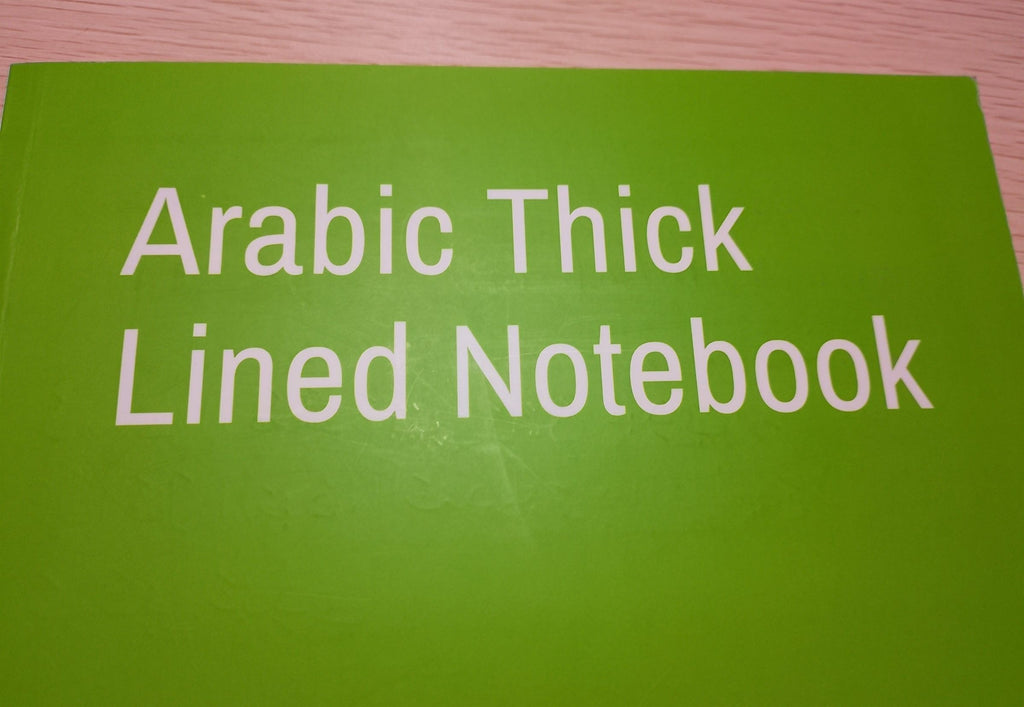
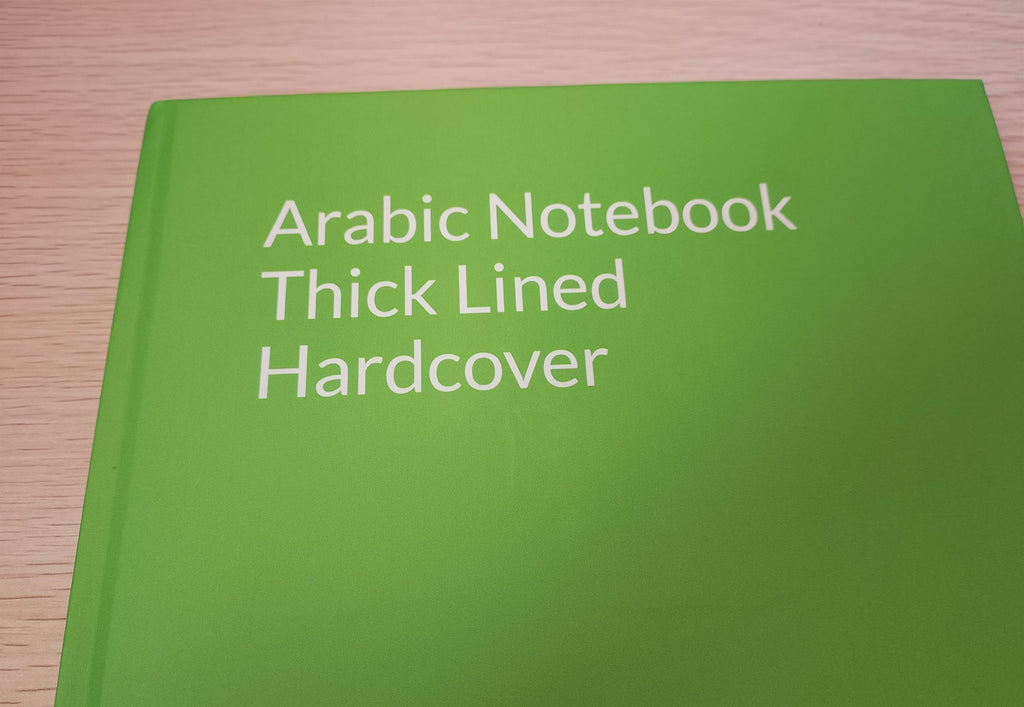
Both formats use the same signature green and the same spacious 16-line page system.
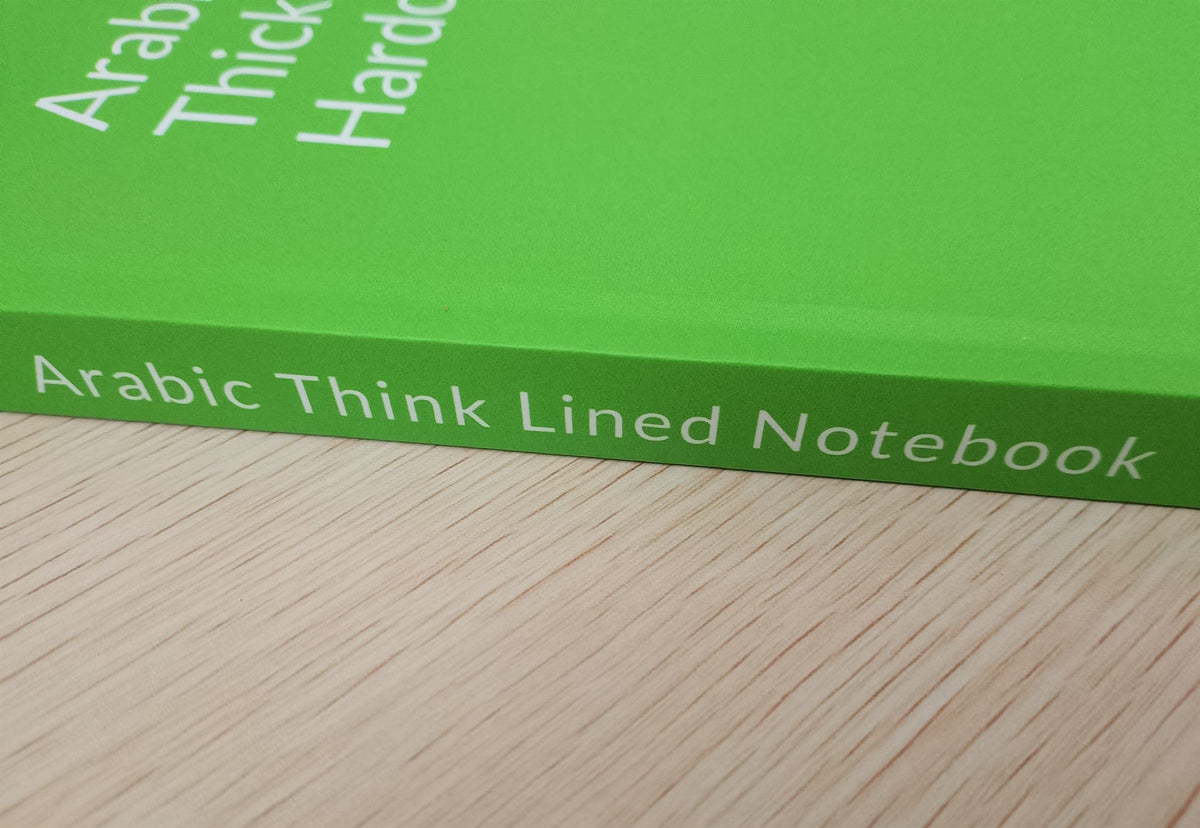

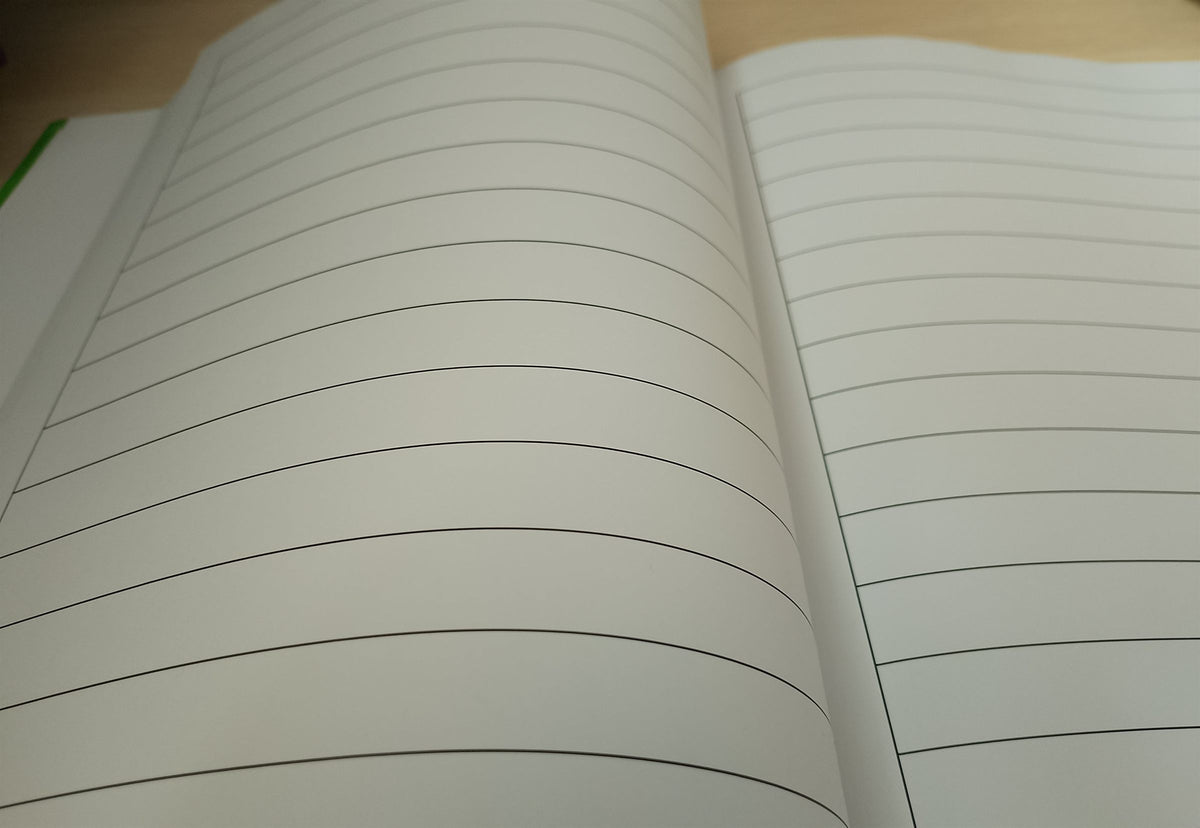
Shot on UMIDIGI Note 100 5G
The Arabic Notebook difference
Sixteen lines. Far more freedom.
Ordinary notebooks compress Arabic into narrow rules. Our 16 large lines give letters, dots and joining strokes the breathing room they need.
16
wide writing lines on every page
Original product photography
Designed from cover to line.
Every image below comes directly from ArabicNotebook.com.
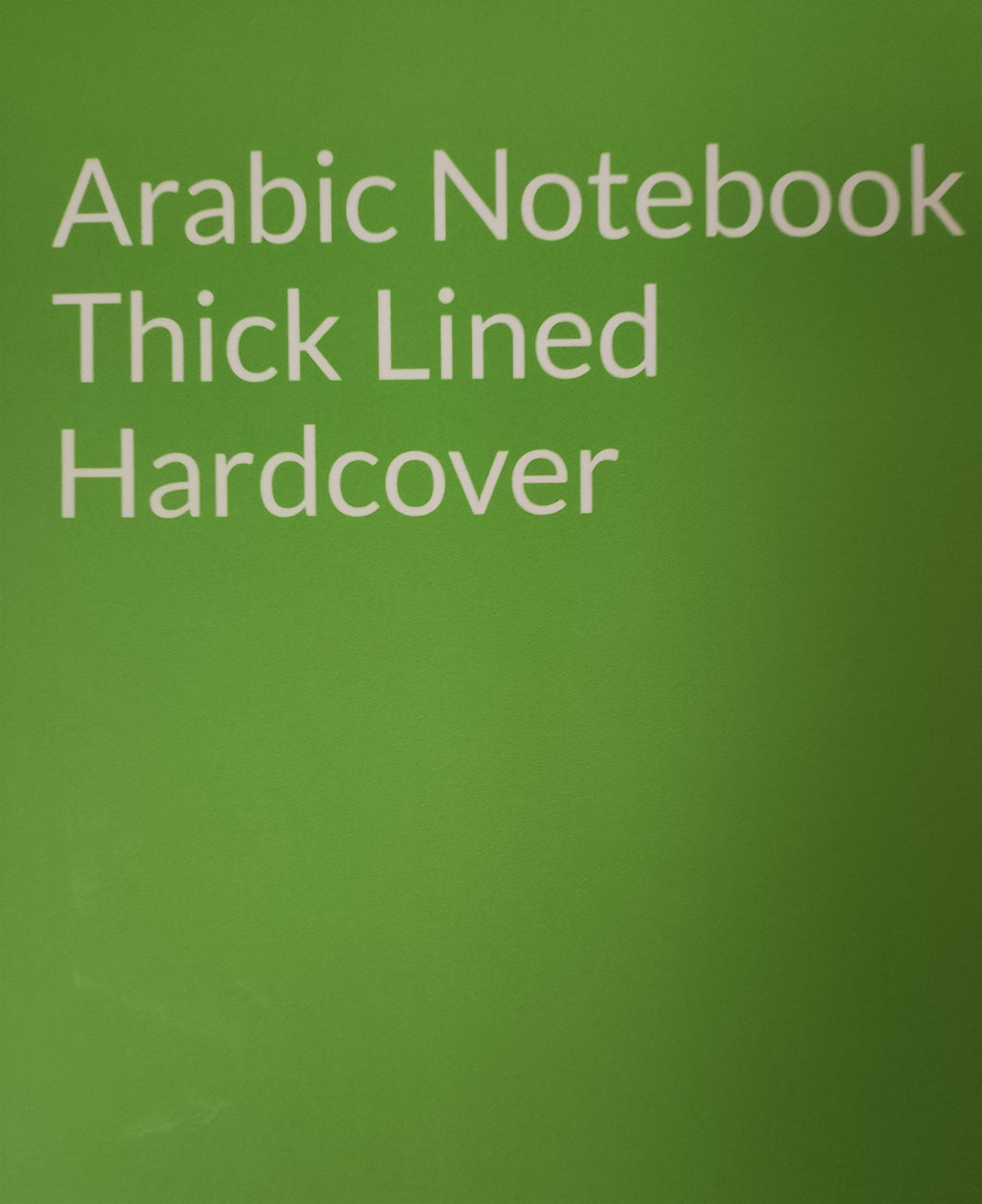 Signature green
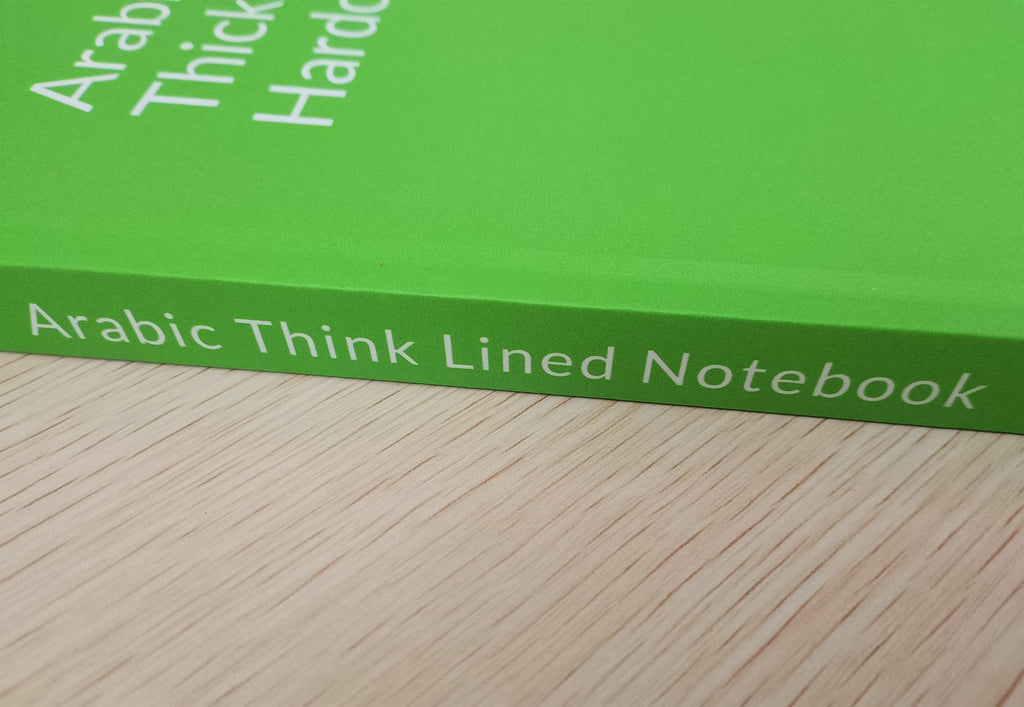
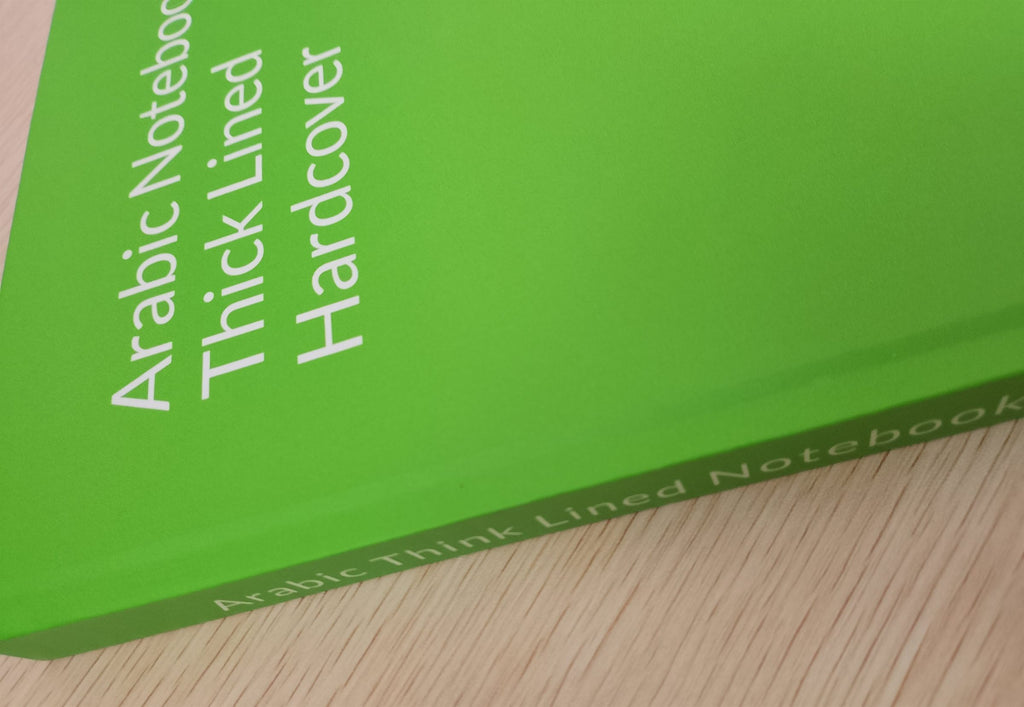 Spine detail
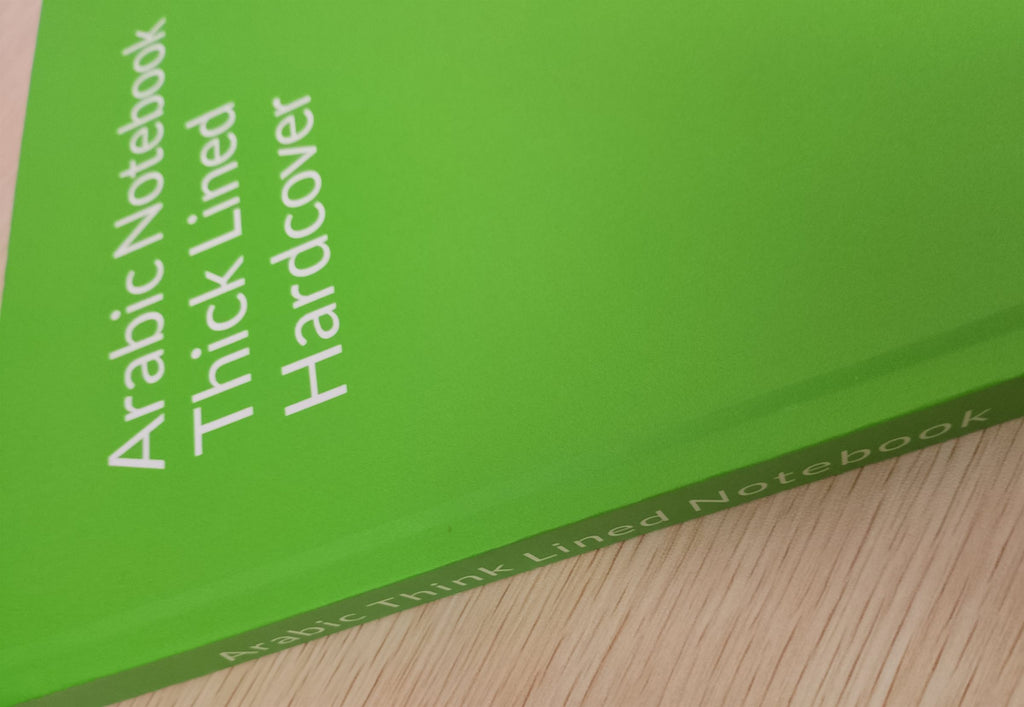 Cover detail
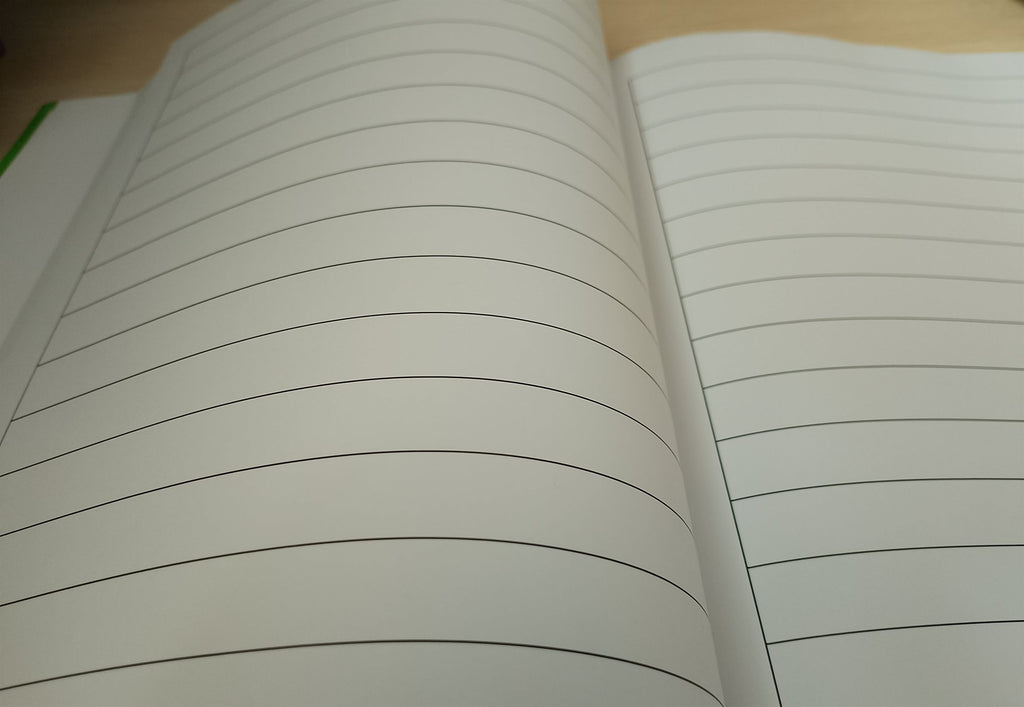 Premium finish
 16-line page
 Arabic practice
A simple learning rhythm
Build a study habit that stays.
01
Capture new words
Keep vocabulary, meanings and useful expressions organised in one dependable place.
02
Practise with space
Use the larger line height to shape letters clearly and keep joined forms readable.
03
Return and remember
Revisit your notes, spot patterns and turn practice into lasting recall.
Finally, a notebook designed around the way Arabic is actually written.
Animated Instagram learning section
Study Arabic with us.
arabicnotebook
Page practice
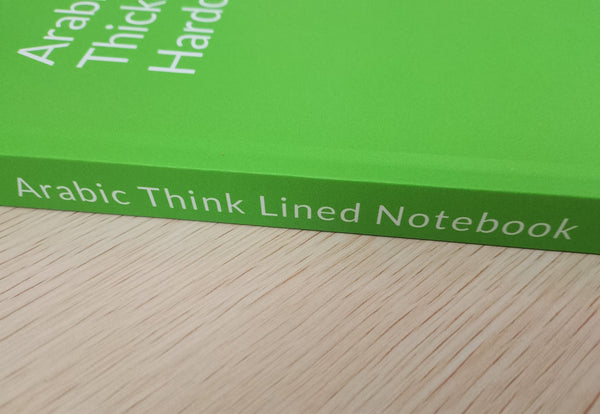
arabicnotebook
Cover details
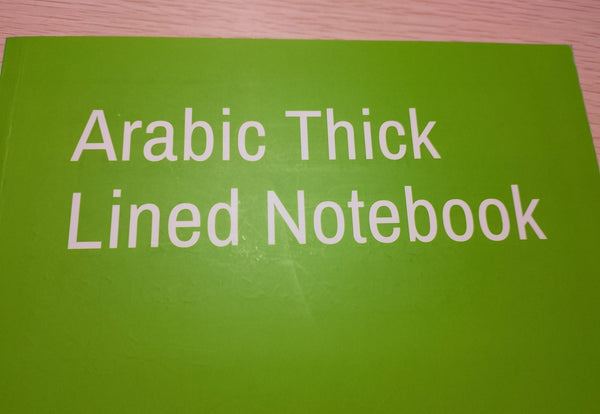
arabicnotebook
Meet your notebook
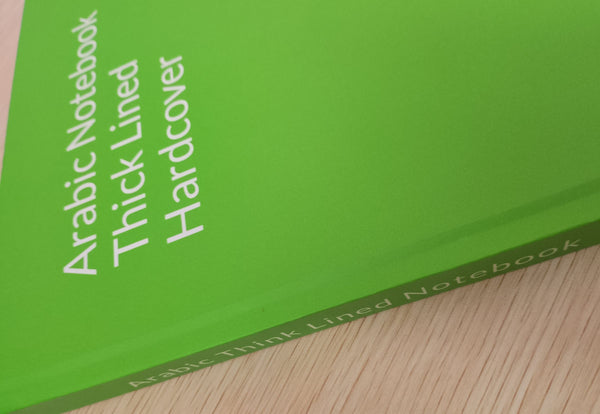
arabicnotebook
Why 16 lines?

arabicnotebook
Start a study page
The learning journal
Small lessons. Lasting progress.
About Arabic Notebook
Notebooks built around Arabic script
Most notebooks are ruled for Latin handwriting. Arabic asks more of a line: letters drop below the baseline, dots stack above and below, and joining strokes need horizontal room to stay readable.
We designed the page around that. Sixteen large lines on a full A4 sheet, printed in a soft grey that guides without dominating, on smooth 80gsm paper that takes ballpoint, gel and fineliner ink cleanly. Two hundred pages per book, in a section-sewn hardcover that lies flat or a lighter softback for carrying.
Frequently asked
What size are the notebooks?
Every notebook is A4 — 210 x 297mm — with 200 pages and 16 large lines on each page.
Why 16 lines instead of standard ruling?
Standard feint ruling is about 7mm, which crowds Arabic script. Sixteen larger lines give letters, dots and joining strokes the vertical room they need to stay clear.
What is the difference between hardcover and softback?
The paper and page layout are identical. The hardcover is section-sewn so it lies flat and lasts a full academic year; the softback is lighter and easier to carry.